

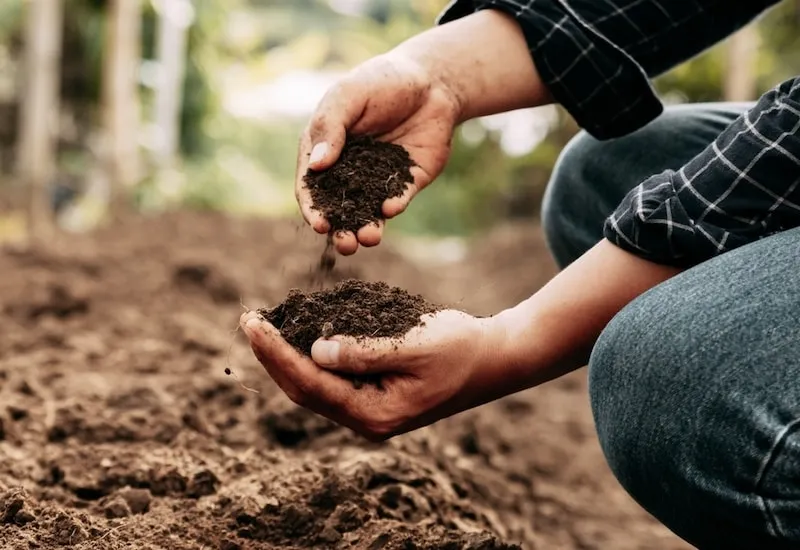
Soil health is the foundation of sustainable agriculture, playing a crucial role in supporting plant growth, nutrient cycling, water retention, and overall ecosystem resilience. Conservation agriculture encompasses a range of practices aimed at preserving and enhancing soil health while minimizing environmental impacts and promoting long-term sustainability. In this blog post, we will explore the best practices for soil health management and conservation agriculture, highlighting key strategies to improve soil quality, enhance productivity, and foster environmental stewardship.
Minimal Soil Disturbance:
One of the fundamental principles of conservation agriculture is minimizing soil disturbance to preserve soil structure, microbial activity, and organic matter content. Traditional tillage practices, such as plowing and harrowing, can disrupt soil aggregates, accelerate erosion, and deplete soil organic carbon. Adopting reduced tillage or no-till practices helps maintain soil structure, increase water infiltration, and promote microbial diversity, leading to improved soil health and productivity.
Crop Rotation and Diversity:
Crop rotation and diversity are essential components of conservation agriculture, particularly contributing to improved soil fertility, pest and disease management, and weed suppression. Rotating crops with different root structures, nutrient requirements, and growth habits helps break pest cycles, reduce soil erosion, and enhance nutrient cycling. Additionally, incorporating cover crops and diverse crop rotations can increase organic matter inputs, improve soil structure, and support beneficial soil organisms, contributing to overall soil health and resilience.
Cover Cropping:
Cover cropping involves planting non-cash crops, such as legumes, grasses, or brassicas, during fallow periods. Or in between cash crop rotations to protect and improve soil health. This type of crops provide numerous benefits, simultaneously including erosion control, weed suppression, moisture retention, and nutrient cycling. Leguminous cover crops, such as clover or vetch, can fix atmospheric nitrogen, reducing the need for synthetic fertilizers and improving soil fertility. Integrating cover crops into cropping systems enhances soil biodiversity, increases carbon sequestration, and promotes sustainable soil management practices.
Conservation Tillage Practices:
Conservation tillage practices, such as strip-till, ridge-till, and zone-till, offer alternatives to conventional tillage while preserving soil structure and minimizing erosion. These practices involve disturbing only a portion of the soil surface. Leaving residue cover in place to protect the soil from erosion and moisture loss. Conservation tillage reduces soil compaction, enhances water infiltration, and promotes root development. Resulting in improved soil health, increased crop yields, and reduced environmental impact.
Nutrient Management:
Effective nutrient management is essential for maintaining soil fertility, optimizing crop production, and minimizing nutrient runoff and leaching. Conservation agriculture emphasizes the use of nutrient management practices. Such as precision fertilization, organic amendments, and soil testing to ensure balanced nutrient application and minimize environmental impacts. Adopting precision agriculture technologies, such as variable-rate application and soil mapping. Allows farmers to apply fertilizers more efficiently, reduce input costs, and protect soil and water quality.
Integrated Pest Management (IPM):
Integrated Pest Management (IPM) is an essential component of conservation agriculture. Focusing on preventing pest and disease outbreaks through cultural, biological, and mechanical control methods. IPM practices include crop diversification, biological control agents, habitat manipulation, and pest monitoring. To minimize reliance on synthetic pesticides and promote natural pest suppression mechanisms. By reducing pesticide use, conserving natural enemies, and enhancing biodiversity, IPM. That contributes to soil health, ecosystem resilience, and sustainable agricultural production.
Soil Conservation Practices:
Soil conservation practices, such as contour farming, terracing, and grassed waterways, help mitigate soil erosion. To improve water quality, and protect fragile soils from degradation. Implementing erosion control measures, such as vegetative buffers, conservation buffers, and windbreaks. That helps stabilize soil, reduce sediment runoff, and protect water resources. Soil conservation practices enhance soil structure, promote infiltration, and prevent soil loss. By contributing to long-term soil health and sustainable land management.
Conclusion:
In conclusion, adopting best practices for soil health management and conservation agriculture is essential for promoting sustainable agricultural systems. That are resilient, productive, and environmentally sound. By minimizing soil disturbance, promoting crop diversity, incorporating cover cropping, implementing conservation tillage practices, managing nutrients responsibly. And adopting integrated pest management, and implementing soil conservation measures, farmers can enhance soil health, improve productivity, and contribute to environmental stewardship. Embracing conservation agriculture principles and implementing sustainable soil management practices. These are critical steps towards building resilient farming systems that can meet the challenges of a changing climate. While ensuring long-term agricultural sustainability and food security.