

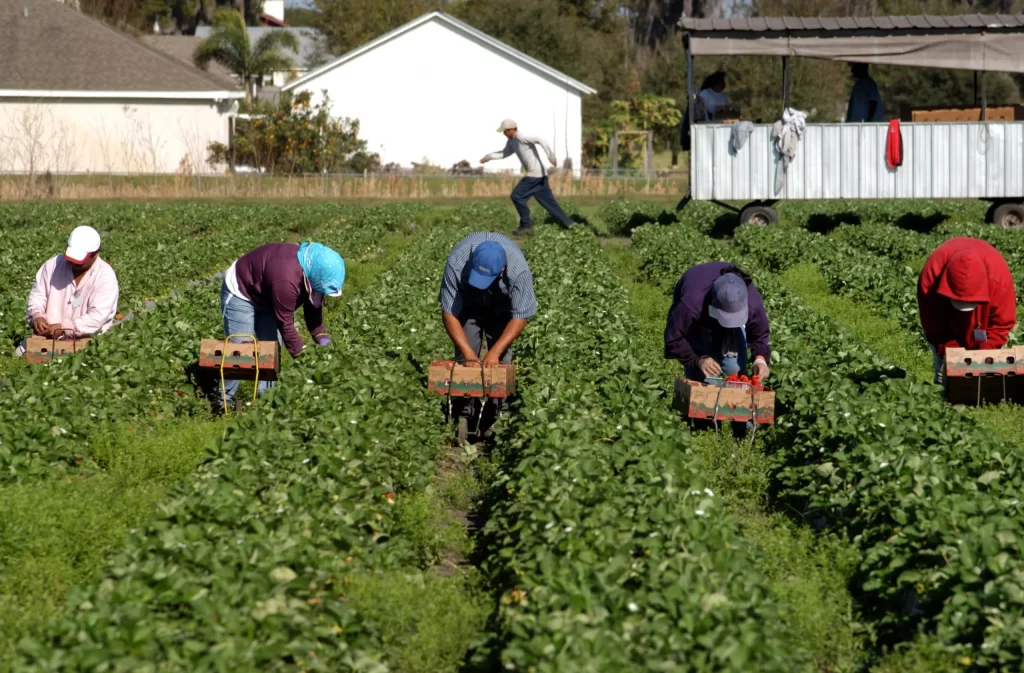
Agricultural policies and regulations play a significant role in shaping the agricultural sector and influencing the livelihoods of farmers, as well as the functioning of food systems. In this blog post, we will explore how agricultural policies and regulations impact farmers and food systems, highlighting both their positive contributions and potential challenges.
Access to Land and Property Rights:
Agricultural policies related to land tenure and property rights have a profound impact on farmers’ ability to access and utilize land for agricultural production. Secure land tenure and property rights empower farmers by providing them with the legal certainty. And incentives to invest in land improvements, adopt sustainable farming practices, and access credit and financial services. Conversely, insecure land tenure and lack of property rights can lead to land grabbing, displacement of smallholder farmers, and loss of livelihoods.
Input Subsidies and Support Programs:
Government subsidies and support programs for agricultural inputs such as seeds, fertilizers, and pesticides can have a significant impact on farmers’ productivity and profitability. Subsidies help reduce production costs, improve access to inputs for smallholder farmers, and incentivize adoption of modern agricultural technologies. However, poorly designed subsidy programs can distort markets, promote overuse of chemical inputs, and exacerbate environmental degradation.
Price Support Mechanisms:
Price support mechanisms such as minimum support prices (MSPs) and price stabilization programs are implemented by governments to protect farmers from price volatility and ensure stable incomes. MSPs guarantee farmers a minimum price for their produce, providing them with financial security and stability. However, excessive reliance on price support mechanisms can lead to market distortions, overproduction of certain crops, and inefficiencies in resource allocation.
Trade Policies and Market Access:
Trade policies and market access regulations have a significant impact on farmers’ ability to access domestic and international markets for their agricultural products. Tariffs, quotas, and trade barriers can affect the competitiveness of agricultural products in global markets, influencing farmers’ income and livelihoods. Trade agreements and export subsidies can open up new market opportunities for farmers. But may also expose them to competition from low-cost imports.
Environmental Regulations and Conservation Policies:
Environmental regulations and conservation policies aim to promote sustainable agricultural practices, protect natural resources, and mitigate environmental degradation. Policies such as conservation easements, wetland protection, and agri-environment schemes incentivize farmers. To adopt practices that enhance soil health, preserve biodiversity, and reduce pollution. However, compliance with environmental regulations may impose additional costs on farmers and require investments in environmental management practices.
Food Safety and Quality Standards:
Food safety and quality standards imposed by regulatory authorities ensure the safety and integrity of food products throughout the supply chain. Compliance with food safety standards is essential for maintaining consumer confidence, accessing export markets, and protecting public health. However, stringent food safety regulations may impose compliance burdens on smallholder farmers. Especially in developing countries, where access to infrastructure and technical expertise is limited.
Agricultural Research and Innovation Policies:
Policies related to agricultural research and innovation play a crucial role in driving technological advancements. Improving agricultural productivity, and enhancing resilience to climate change. Investments in agricultural research institutions, extension services, and technology transfer programs facilitate the adoption of innovative farming practices and technologies. However, inadequate funding for research and limited access to technology transfer mechanisms can hinder farmers’ ability to adopt new innovations and improve their productivity.
Support for Smallholder Farmers and Rural Development:
Agricultural policies aimed at supporting smallholder farmers and promoting rural development are essential for addressing rural poverty. Reducing inequality, and fostering inclusive growth. Programs such as agricultural extension services, rural infrastructure development. And microfinance initiatives provide smallholder farmers with the necessary support and resources to improve their livelihoods. However, inadequate funding, limited outreach, and bureaucratic inefficiencies can hinder the effectiveness of these programs in reaching their intended beneficiaries.
Conclusion:
In conclusion, agricultural policies and regulations have a profound impact on farmers and food systems. Shaping the agricultural sector’s structure, performance, and sustainability. While well-designed policies can promote agricultural development. To improve food security, and enhance farmers’ livelihoods, poorly implemented or misguided policies may have unintended consequences. With including market distortions, environmental degradation, and social inequities. Therefore, it is essential for policymakers to adopt evidence-based approaches, consult with stakeholders, and ensure that agricultural policies and regulations are aligned with the broader objectives of promoting sustainable development, inclusive growth, and food security for all.