

Urban agriculture and vertical farming have emerged as innovative solutions to address the challenges of food security, resource scarcity, and urbanization in an increasingly urbanized world. These practices leverage technology, sustainability, and space-efficient growing methods to produce fresh, nutritious food in urban environments. In this blog post, we will explore the emerging trends in urban agriculture and vertical farming, highlighting their potential to transform urban food systems and promote sustainable living.
Vertical Farming Technology Advancements:
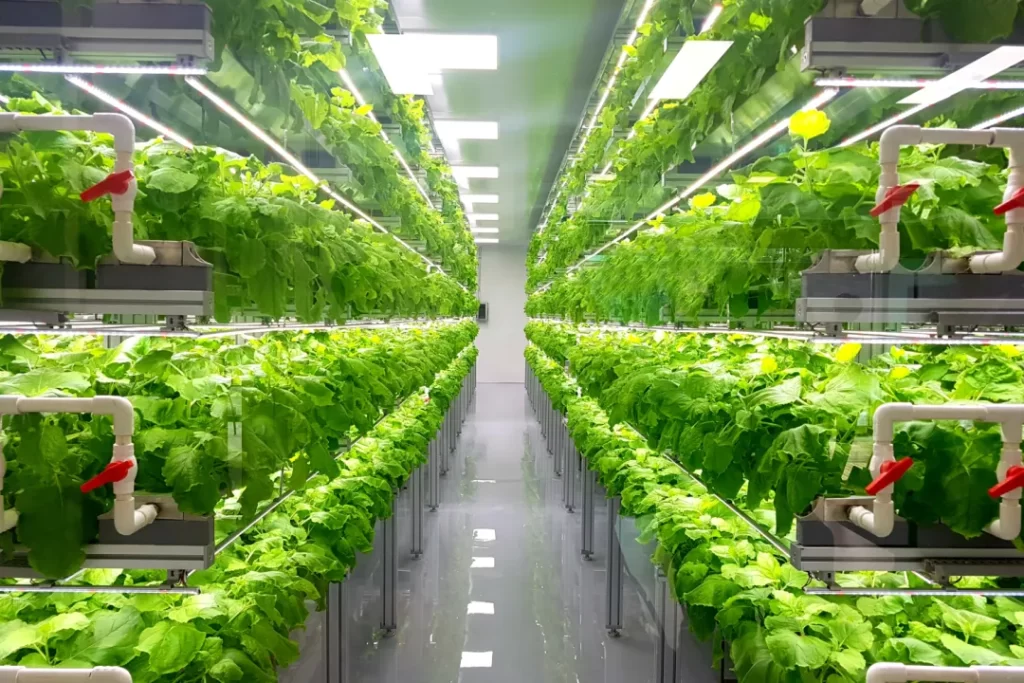
Vertical farming involves growing crops in vertically stacked layers or towers, utilizing indoor environments such as warehouses, shipping containers, or high-rise buildings. Recent advancements in vertical farming technology have revolutionized the industry, with the development of advanced LED lighting systems, hydroponic and aeroponic growing systems, and automated monitoring and control systems. These technologies enable vertical farms to optimize growing conditions, maximize space utilization, and achieve higher crop yields with minimal environmental impact.
Controlled Environment Agriculture (CEA):
Controlled environment agriculture (CEA) encompasses various indoor farming techniques, including vertical farming, hydroponics, and aquaponics, that enable growers to control key environmental factors such as temperature, humidity, light, and nutrient levels. CEA systems provide a controlled and optimized growing environment year-round, regardless of external weather conditions, allowing farmers to produce high-quality crops consistently. This trend is particularly relevant in urban areas with limited arable land and unpredictable climates, where CEA offers a reliable and sustainable approach to food production.
Integration of Internet of Things (IoT):
The integration of Internet of Things (IoT) technology in urban agriculture and vertical farming has enabled real-time monitoring, data collection, and automation of key farming processes. IoT sensors embedded in growing systems measure environmental parameters such as temperature, humidity, pH levels, and nutrient concentrations, allowing growers to remotely monitor and adjust growing conditions as needed. IoT-enabled vertical farms utilize data analytics and machine learning algorithms to optimize crop growth, resource use, and operational efficiency, leading to higher yields and reduced environmental impact.
Sustainable Growing Practices:
Sustainability is a key focus of urban agriculture and vertical farming, with growers implementing sustainable growing practices to minimize resource use and environmental impact. This includes the use of renewable energy sources such as solar panels, rainwater harvesting systems, and recycled materials for construction. Vertical farms also prioritize water efficiency by utilizing closed-loop hydroponic systems that recirculate water and nutrient solutions, reducing water consumption compared to traditional farming methods. Additionally, vertical farms incorporate organic growing practices and avoid the use of synthetic pesticides and fertilizers, promoting environmentally friendly and healthy food production.
Urban Rooftop Farming:
Urban rooftop farming is gaining popularity as a sustainable and space-efficient approach to urban agriculture, utilizing rooftops of buildings for food production. Rooftop farms utilize container gardens, raised beds, and hydroponic systems to grow a variety of crops, including vegetables, herbs, and fruits. This farms provide numerous benefits, including improved air quality, reduced urban heat island effect, and increased access to fresh, locally grown produce in urban areas. Rooftop farms also contribute to community building and social cohesion by providing opportunities for urban residents to engage in gardening and food production activities.
Vertical Farming in Residential Spaces:
The concept of vertical farming is extending beyond commercial operations to residential spaces, with the development of compact and user-friendly vertical farming systems designed for home use. These indoor gardening systems utilize hydroponic or aeroponic growing methods and LED grow lights to allow individuals to grow fresh herbs, vegetables, and microgreens in their own homes. Residential vertical farming systems enable urban dwellers to access fresh, homegrown produce year-round, promote self-sufficiency, and connect with the food production process.
Integration of Circular Economy Principles:
Circular economy principles are increasingly being integrated into urban agriculture and vertical farming practices to minimize waste, maximize resource efficiency, and promote sustainability. Vertical farms utilize organic waste streams such as food scraps and plant residues as inputs for composting or anaerobic digestion, producing nutrient-rich compost or biogas for energy generation. Additionally, vertical farms incorporate circular economy principles by utilizing recycled materials for construction, implementing closed-loop nutrient cycling systems, and adopting regenerative growing practices that enhance soil health and ecosystem resilience.
Community and Social Impact:
Urban agriculture and vertical farming initiatives have significant community and social impact, fostering community engagement, promoting food access and equity, and addressing social issues such as food insecurity and urban poverty. Community gardens, urban farms, and rooftop farms provide opportunities for local residents to participate in food production, gardening, and educational activities, promoting social interaction, skill-building, and community empowerment. Additionally, urban agriculture initiatives focus on increasing food access in underserved communities, improving nutrition, and reducing food deserts in urban areas, contributing to public health and well-being.
Conclusion:
Urban agriculture and vertical farming represent innovative and sustainable solutions to the challenges of food security, resource scarcity, and urbanization. Emerging trends in vertical farming technology, controlled environment agriculture, IoT integration, and sustainable growing practices are transforming urban food systems and promoting environmentally friendly and resilient food production. From rooftop farms and residential vertical gardening to commercial vertical farms and community agriculture initiatives, urban agriculture is reshaping the way we grow, distribute, and consume food in cities. By embracing these trends and harnessing the potential of urban agriculture, we can create more sustainable, equitable, and resilient food systems that nourish urban populations while protecting the planet for future generations.